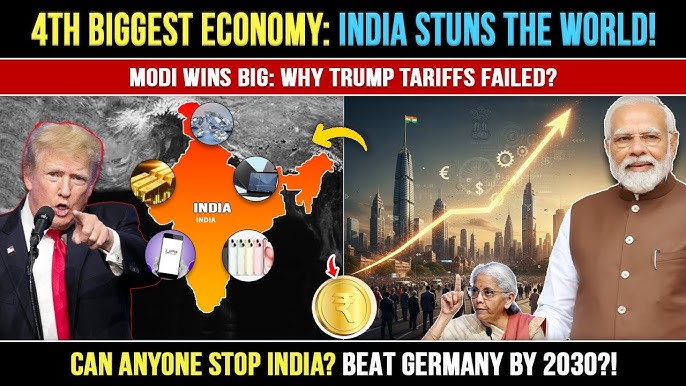
The world watches as trade tensions rise between major powers. Recent moves by the United States point to big changes in how countries buy and sell goods. At the center stands a new bill signed by President Donald Trump. This bill could slap high tariffs on nations that keep buying Russian oil. India finds itself in the spotlight. The phrase “US eyes 500% tariffs on Indian products: shocking impact on global trade growth” captures the worry many feel. It signals possible shifts in supply chains and prices around the planet.
Trade has always linked economies. Now, politics adds new layers. The US aims to cut off funds for Russia’s actions in Ukraine. By targeting oil buyers, America hopes to force change. India relies on cheap Russian oil for energy needs. If tariffs hit, costs could soar for Indian exports to the US. This might slow growth not just for India, but for many connected markets. Let’s examine the background and what it means step by step.
Background of the Trade Tension
Relations between the US and India have grown over years. They share interests in tech, defense, and more. Yet, differences appear in energy choices. Since Russia’s invasion of Ukraine in 2022, the US has pushed allies to limit ties with Moscow. India chose to buy more Russian oil at low prices. This helped keep fuel costs down at home. But it drew criticism from Washington.
In 2025, things heated up. The US passed smaller tariffs on some Indian goods. Those reached 50% in spots. Now, a fresh law takes it further. Signed on January 8, 2026, it allows for much higher duties. The “US eyes 500% tariffs on Indian products: shocking impact on global trade growth” idea stems from this act. It ties trade penalties to oil purchases from Russia.
Lawmakers see this as a way to end the war. They argue that Russian oil sales pay for military efforts. By making buyers pay more to enter the US market, the hope is to stop those deals. Senator Lindsey Graham played a key role. He said the bill gives Trump power to push countries like India away from Russian fuel. Other nations such as China and Brazil face the same risk.
Details of the Sanctioning Russia Act of 2025
The law has a clear name: Sanctioning Russia Act of 2025. It lets the president add at least 500% tariffs on imports from certain countries. The trigger? If those nations buy Russian uranium or petroleum products. There’s a condition tied to peace talks with Ukraine. If Russia refuses to negotiate or breaks a deal, the tariffs kick in.
The act can end if peace holds. Or if no new attacks happen on Ukraine. It focuses on “knowingly” engaging in such trades. That means governments can’t claim ignorance. For India, this hits hard. The country imported a lot of Russian oil in recent years. Even with cuts, ties remain.
Trump signed it quickly. He linked it to broader goals. In talks, he noted India’s drop in Russian oil buys. But he wants more. The law adds pressure. It could raise costs on all Indian goods entering the US, from textiles to tech parts. This isn’t just about oil. It’s a tool to shape foreign policy through trade.
Reasons for Targeting India
Why pick on India? It’s not personal. The US sees India as a friend. But energy choices clash with American aims. Russia earns billions from oil sales. Much of that goes to its army. India bought over 40% of its oil from Russia at peaks in 2023-2024. That share fell, but still matters.
The US wants India to switch suppliers. Options include Middle East nations or even American exports. Yet, Russian oil stays cheaper. Tariffs aim to make that choice hurt. If Indian products face 500% duties in the US, exporters lose big. The US is India’s top trade partner. Two-way trade hit $200 billion in 2024.
Other factors play in. India seeks a full trade deal with the US. Talks cover dairy, tech, and more. Russian oil blocks progress. Trump has said he likes Prime Minister Modi. But business comes first. The “US eyes 500% tariffs on Indian products: shocking impact on global trade growth” reflects this mix of friendship and firm stands.
Immediate Effects on the Indian Economy
Picture this: Indian goods cost five times more to sell in America. Exporters in sectors like clothing, drugs, and cars would struggle. Prices rise, sales drop. Jobs could go. India’s stock market already reacted. On January 8, 2026, shares fell the most in four months. Oil and gas firms lost 2.8%.
Energy prices at home might climb. If India cuts Russian buys, it pays more elsewhere. That means higher fuel costs for people and factories. Inflation could tick up. Growth, strong at 7% yearly, might slow. Small businesses feel it first. They rely on cheap energy to compete.
The rupee could weaken against the dollar. Foreign investors pull out amid uncertainty. India’s ambassador met US leaders to ask for relief. They point to lower Russian oil imports. But the bill demands full stops. India says it needs diverse sources for affordable energy.
Broader Ripple Effects on Global Trade
Trade doesn’t stop at borders. One change affects many. The “US eyes 500% tariffs on Indian products: shocking impact on global trade growth” shows how. If India faces barriers, it looks elsewhere. Europe, Africa, or Asia could see more Indian goods. But prices might rise there too.
China faces the same threat. As the top Russian oil buyer, it could shift markets. Brazil joins the list. Together, these nations hold big shares of world trade. Disruptions mean higher costs for everyone. Supply chains for phones, clothes, and food could break.
Oil markets shift. Russia sells less, prices drop or rise based on demand. Other producers like Saudi Arabia gain. But instability hurts. Global growth, at 3% in 2025, could dip. The IMF warns of trade wars slowing progress. Companies rethink where to make things. Some move from India to avoid risks.
The Ukraine war ties in. If tariffs work, peace might come faster. But if not, tensions grow. Allies like Europe back the US. Others stay neutral. This splits the world into blocs, hurting free trade ideals.
Potential Responses from India
India won’t sit still. It already cut Russian oil buys. From peaks, imports fell sharply. Diplomats push for talks. A meeting in December 2025 didn’t solve much. More could follow.
Diversify energy. Look to Iraq, UAE, or US for oil. Build solar and wind faster. India left the International Solar Alliance after US withdrawal. But homegrown green power helps long term.
Trade pacts with others. Deals with UK, Australia grow. Boost exports to non-US markets. Inside, support exporters with aid. Cut taxes or offer loans.
Challenge at WTO? Tariffs might break rules. But that takes time. India prefers quiet talks. Modi and Trump share good ties. Personal calls could ease things.
Future of US-India Trade Relations
Hope remains. Both need each other. US wants India as a check on China. India seeks US tech and investment. The “US eyes 500% tariffs on Indian products: shocking impact on global trade growth” grabs headlines. But deals often follow threats.
If India stops Russian oil, tariffs lift. Trade booms. Sectors like IT and pharma grow. Defense ties strengthen. Yet, trust issues linger. India values independence in foreign policy.
Watch for updates. The bill allows flexibility. Trump can waive tariffs for allies. India pushes its case as a partner, not foe.
Wrapping Up the Bigger Picture
Trade shapes our world. Moves like this remind us of that. The “US eyes 500% tariffs on Indian products: shocking impact on global trade growth” warns of risks ahead. It pushes nations to pick sides in conflicts. For India, choices loom on energy and allies. Global growth hangs in balance. Smart steps can limit harm. Talks beat barriers. As events unfold, watch how leaders steer through.
FAQs
What is the Sanctioning Russia Act of 2025?
It’s a US law that lets the president put 500% tariffs on imports from countries buying Russian oil or uranium, to pressure Russia over Ukraine.
How does this affect Indian consumers?
Higher energy costs if India switches suppliers, which could raise prices for fuel and goods.
Will tariffs apply right away?
Not yet. They trigger if Russia avoids peace talks or breaks deals.
Can India avoid these tariffs?
Yes, by stopping Russian oil buys or getting a waiver through talks.
What about other countries?
China and Brazil face similar risks for their Russian oil imports.
How might global trade change?
It could split markets, raise prices, and slow growth as nations adjust supply chains.