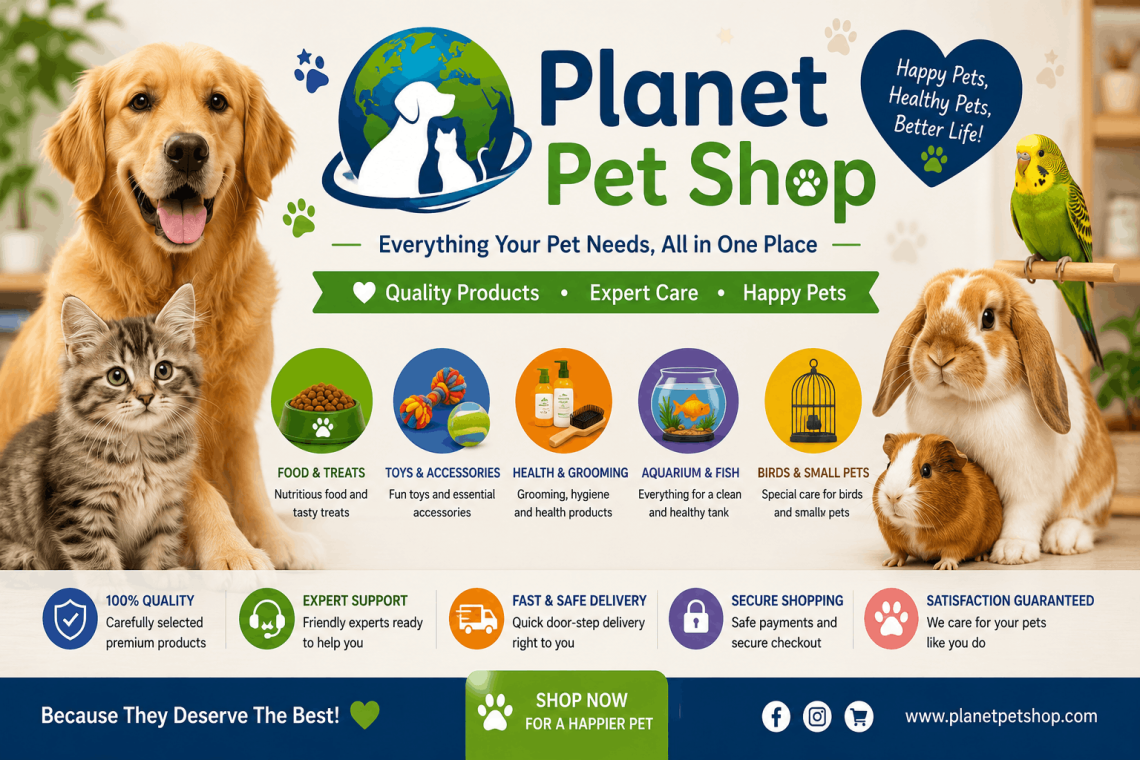
Planet Pet Shop: The Ultimate Guide for Happy, Healthy Pets
Choosing where to shop for your animal companion shapes far more than your monthly budget. The food you buy, the toys you choose, and the advice you follow all play a direct role in how long and how well your pet lives. This guide walks through everything you need to know about Planet Pet Shop, from the products on its shelves to the practical habits that keep dogs, cats, and smaller animals thriving every day.
Whether you’re a first-time pet owner researching where to buy supplies or a longtime customer looking to get more value from your visits, this article breaks down what makes a pet shop worth your loyalty, how to evaluate product quality, and how to build daily routines that support your pet’s wellbeing for years to come.
What Is Planet Pet Shop?
Planet Pet Shop is a retail destination built around one central idea: pets deserve products backed by real nutritional science and genuine care, not just clever packaging. Stores like this typically stock everything from premium kibble and raw food diets to grooming tools, training aids, bedding, and enrichment toys for dogs, cats, birds, reptiles, and small mammals.
What separates a strong pet shop from a generic big-box aisle is the depth of selection paired with knowledgeable staff who can answer specific questions what to feed a senior cat with kidney concerns, which harness fits a wriggly puppy, or how to transition a dog from one food brand to another without stomach upset.
Why the Right Pet Shop Matters
Pet owners often underestimate how much their shopping choices affect their animal’s daily quality of life. A shop that prioritizes quality ingredients, fair pricing, and informed staff can:
- Help you catch nutritional gaps before they become health problems
- Save you money long-term by steering you away from low-quality fillers that lead to vet bills
- Offer enrichment products suited to your specific pet’s breed, age, and temperament
- Provide a community resource for grooming, training, and behavioral guidance
A good pet shop functions less like a transaction point and more like an ongoing partner in your pet’s life.
Core Product Categories at Planet Pet Shop
Premium Food and Nutrition
Nutrition sits at the foundation of pet health. A well-stocked pet shop carries a range of options to suit different needs:
Dry kibble remains popular for convenience and cost, but quality varies enormously between brands. Look for formulas listing a named meat source (chicken, salmon, beef) as the first ingredient rather than vague terms like “meat meal” or “animal byproduct.”
Wet and canned food offers higher moisture content, which benefits cats prone to urinary issues and dogs who need extra hydration support.
Raw and freeze-dried diets have grown in popularity among owners pursuing a biologically appropriate approach. These require careful handling and portioning, so guidance from staff matters here more than almost anywhere else.
Prescription and specialty diets address specific medical conditions such as kidney disease, food sensitivities, or weight management. These typically require veterinary recommendation but are worth discussing with shop staff who track which formulas customers find effective.
Treats and Supplements
Treats aren’t just rewards — they’re an opportunity to fill nutritional gaps or support specific health goals. Joint supplements with glucosamine and chondroitin support aging pets with mobility concerns. Omega-3 fatty acid chews promote coat shine and reduce inflammation. Probiotic treats aid digestion, particularly useful for pets transitioning between foods or recovering from illness.
Toys and Enrichment
Mental stimulation matters as much as physical exercise. Puzzle feeders slow down fast eaters while engaging problem-solving instincts. Interactive toys, including motion-activated options for cats, keep indoor pets active during the day. Chew toys appropriate to a dog’s size and chewing strength prevent destructive behavior directed at furniture or shoes.
Grooming Supplies
A solid grooming section should include brushes suited to different coat types (slicker brushes for long hair, bristle brushes for short coats), nail trimmers and grinders, shampoos formulated for sensitive skin, and dental care items like enzymatic toothpaste and chew-based cleaners.
Habitat and Bedding
For dogs and cats, this covers crates, beds, and blankets sized appropriately for the animal’s growth stage. For small mammals, reptiles, and birds, habitat setup is more technical — proper substrate, temperature control, and enclosure size all directly affect health outcomes.
How to Choose Products at a Pet Shop
Reading Ingredient Labels
The ingredient list on pet food tells you more than any marketing claim on the front of the bag. Ingredients are listed by weight, so the first three to five items matter most. A quality formula will list a specific protein source first, followed by recognizable vegetables, grains or grain alternatives, and minimal artificial preservatives.
Be cautious of vague terms. “Meat byproduct” can include parts with lower nutritional value, while “natural flavor” gives no indication of source quality. Brands that disclose specifics tend to have more rigorous quality control.
Matching Products to Life Stage
A puppy’s nutritional needs differ sharply from those of a senior dog. Growing animals require higher protein and fat content to support development, while older pets often benefit from lower-calorie formulas with added joint support. Cats follow a similar pattern, with kittens needing calorie-dense food and senior cats often requiring kidney-friendly formulations.
Considering Breed and Size
Large-breed puppies need food formulated to control growth rate and reduce the risk of joint problems later in life. Small-breed dogs, by contrast, often need smaller kibble sizes and higher calorie density per bite due to faster metabolisms.
Budget Without Sacrificing Quality
It’s possible to find solid nutrition without overspending. Store brands at reputable pet shops are often formulated to the same standards as pricier name brands. Buying in bulk for shelf-stable items like dry food and litter reduces cost per use. Loyalty programs and seasonal sales offer real savings if you plan ahead rather than buying reactively.
Building a Daily Routine for a Healthy Pet
Feeding Schedule
Consistency benefits digestion and behavior alike. Most adult dogs do well with two meals daily, while cats often prefer smaller, more frequent portions. Avoid free-feeding dry food all day, since this makes it harder to track appetite changes that can signal illness.
Exercise and Mental Stimulation
Physical activity needs vary by breed and age, but nearly every pet benefits from daily movement paired with mental engagement. A bored pet is far more likely to develop destructive habits, so rotating toys and introducing new puzzle feeders periodically keeps interest high.
Grooming Habits
Regular brushing reduces shedding and prevents matting, while also giving you a chance to spot skin issues, lumps, or parasites early. Nail trims every three to four weeks prevent overgrowth that can affect gait. Dental care, often overlooked, plays a major role in preventing periodontal disease, which affects a large share of adult dogs and cats.
Health Monitoring
Weigh your pet periodically and track changes in appetite, energy, water intake, and litter box or bathroom habits. These small observations often catch health issues well before symptoms become severe enough to require emergency care.
How Planet Pet Shop Supports First-Time Pet Owners
Bringing home a new pet can feel overwhelming given the sheer number of decisions involved. A good pet shop simplifies this process through a few key offerings:
Starter Kits and Bundles
Many shops put together bundles covering the basics — food, a crate or carrier, a leash and collar, bedding, and a few starter toys. These take the guesswork out of initial setup and often come at a discount compared to buying items separately.
Staff Guidance
Knowledgeable employees can answer practical questions that generic online searches don’t always resolve well: how to introduce a new cat to an existing household, what vaccination schedule to expect, or which crate size suits a growing puppy.
Educational Resources
Look for shops that offer guides, workshops, or one-on-one consultations covering topics like house training, basic obedience, and nutrition planning. These resources turn a single purchase into an ongoing relationship that supports your pet through every life stage.
Common Mistakes Pet Owners Make When Shopping
Overlooking Ingredient Quality for Price
The cheapest bag of food on the shelf often contains fillers that provide little nutritional value, leading to poor coat condition, digestive issues, or weight gain. Spending slightly more on a quality formula frequently saves money on vet visits down the line.
Switching Foods Too Quickly
Abrupt diet changes commonly cause vomiting or diarrhea. A gradual transition over seven to ten days, mixing increasing amounts of new food with the old, gives the digestive system time to adjust.
Buying Toys That Don’t Match Chewing Strength
A toy rated for gentle chewers won’t survive a determined power-chewer, creating a choking hazard from broken pieces. Matching toy durability to your pet’s actual behavior prevents both wasted money and safety risks.
Ignoring Size and Breed-Specific Needs
A collar, harness, or bed sized for an average dog may not fit a breed with unusual proportions. Taking accurate measurements before buying saves return trips and ensures comfort.
Sustainability and Ethical Sourcing
More pet owners now factor sustainability into their buying decisions, and shops have responded with options that reflect this shift. Look for brands using responsibly sourced fish and poultry, recyclable or biodegradable packaging, and supply chains with transparent sourcing practices. Some shops also partner with local shelters and rescues, donating a portion of sales or hosting adoption events, which adds a community dimension to everyday shopping.
Seasonal Considerations for Pet Care
Summer
Heat brings risks of dehydration and heatstroke, especially for flat-faced breeds and senior pets. Cooling mats, portable water bottles, and paw protection for hot pavement are worth stocking up on before temperatures rise.
Winter
Cold weather calls for insulated bedding, paw balm to protect against salt and ice, and weather-appropriate outerwear for short-haired breeds. Indoor enrichment also becomes more important when outdoor time shrinks.
Allergy Season
Spring and fall bring seasonal allergens that affect pets just as they affect people. Hypoallergenic shampoos, omega-3 supplements, and air purifiers can ease symptoms like itchy skin and excessive scratching.
Frequently Asked Questions
How often should I switch my pet’s food brand?
There’s no strict rule, but rotating proteins or formulas every few months can reduce the risk of developing food sensitivities, provided each transition happens gradually.
Planet Pet Shop: The Ultimate Guide for Happy, Healthy Pets
Choosing where to shop for your animal companion shapes far more than your monthly budget. The food you buy, the toys you choose, and the advice you follow all play a direct role in how long and how well your pet lives. This guide walks through everything you need to know about Planet Pet Shop, from the products on its shelves to the practical habits that keep dogs, cats, and smaller animals thriving every day.
Whether you’re a first-time pet owner researching where to buy supplies or a longtime customer looking to get more value from your visits, this article breaks down what makes a pet shop worth your loyalty, how to evaluate product quality, and how to build daily routines that support your pet’s wellbeing for years to come.
What Is Planet Pet Shop?
Planet Pet Shop is a retail destination built around one central idea: pets deserve products backed by real nutritional science and genuine care, not just clever packaging. Stores like this typically stock everything from premium kibble and raw food diets to grooming tools, training aids, bedding, and enrichment toys for dogs, cats, birds, reptiles, and small mammals.
What separates a strong pet shop from a generic big-box aisle is the depth of selection paired with knowledgeable staff who can answer specific questions what to feed a senior cat with kidney concerns, which harness fits a wriggly puppy, or how to transition a dog from one food brand to another without stomach upset.
Why the Right Pet Shop Matters
Pet owners often underestimate how much their shopping choices affect their animal’s daily quality of life. A shop that prioritizes quality ingredients, fair pricing, and informed staff can:
- Help you catch nutritional gaps before they become health problems
- Save you money long-term by steering you away from low-quality fillers that lead to vet bills
- Offer enrichment products suited to your specific pet’s breed, age, and temperament
- Provide a community resource for grooming, training, and behavioral guidance
A good pet shop functions less like a transaction point and more like an ongoing partner in your pet’s life.
Core Product Categories at Planet Pet Shop
Premium Food and Nutrition
Nutrition sits at the foundation of pet health. A well-stocked pet shop carries a range of options to suit different needs:
Dry kibble remains popular for convenience and cost, but quality varies enormously between brands. Look for formulas listing a named meat source (chicken, salmon, beef) as the first ingredient rather than vague terms like “meat meal” or “animal byproduct.”
Wet and canned food offers higher moisture content, which benefits cats prone to urinary issues and dogs who need extra hydration support.
Raw and freeze-dried diets have grown in popularity among owners pursuing a biologically appropriate approach. These require careful handling and portioning, so guidance from staff matters here more than almost anywhere else.
Prescription and specialty diets address specific medical conditions such as kidney disease, food sensitivities, or weight management. These typically require veterinary recommendation but are worth discussing with shop staff who track which formulas customers find effective.
Treats and Supplements
Treats aren’t just rewards they’re an opportunity to fill nutritional gaps or support specific health goals. Joint supplements with glucosamine and chondroitin support aging pets with mobility concerns. Omega-3 fatty acid chews promote coat shine and reduce inflammation. Probiotic treats aid digestion, particularly useful for pets transitioning between foods or recovering from illness.
Toys and Enrichment
Mental stimulation matters as much as physical exercise. Puzzle feeders slow down fast eaters while engaging problem-solving instincts. Interactive toys, including motion-activated options for cats, keep indoor pets active during the day. Chew toys appropriate to a dog’s size and chewing strength prevent destructive behavior directed at furniture or shoes.
Grooming Supplies
A solid grooming section should include brushes suited to different coat types (slicker brushes for long hair, bristle brushes for short coats), nail trimmers and grinders, shampoos formulated for sensitive skin, and dental care items like enzymatic toothpaste and chew-based cleaners.
Habitat and Bedding
For dogs and cats, this covers crates, beds, and blankets sized appropriately for the animal’s growth stage. For small mammals, reptiles, and birds, habitat setup is more technical — proper substrate, temperature control, and enclosure size all directly affect health outcomes.
How to Choose Products at a Pet Shop
Reading Ingredient Labels
The ingredient list on pet food tells you more than any marketing claim on the front of the bag. Ingredients are listed by weight, so the first three to five items matter most. A quality formula will list a specific protein source first, followed by recognizable vegetables, grains or grain alternatives, and minimal artificial preservatives.
Be cautious of vague terms. “Meat byproduct” can include parts with lower nutritional value, while “natural flavor” gives no indication of source quality. Brands that disclose specifics tend to have more rigorous quality control.
Matching Products to Life Stage
A puppy’s nutritional needs differ sharply from those of a senior dog. Growing animals require higher protein and fat content to support development, while older pets often benefit from lower-calorie formulas with added joint support. Cats follow a similar pattern, with kittens needing calorie-dense food and senior cats often requiring kidney-friendly formulations.
Considering Breed and Size
Large-breed puppies need food formulated to control growth rate and reduce the risk of joint problems later in life. Small-breed dogs, by contrast, often need smaller kibble sizes and higher calorie density per bite due to faster metabolisms.
Budget Without Sacrificing Quality
It’s possible to find solid nutrition without overspending. Store brands at reputable pet shops are often formulated to the same standards as pricier name brands. Buying in bulk for shelf-stable items like dry food and litter reduces cost per use. Loyalty programs and seasonal sales offer real savings if you plan ahead rather than buying reactively.
Building a Daily Routine for a Healthy Pet
Feeding Schedule
Consistency benefits digestion and behavior alike. Most adult dogs do well with two meals daily, while cats often prefer smaller, more frequent portions. Avoid free-feeding dry food all day, since this makes it harder to track appetite changes that can signal illness.
Exercise and Mental Stimulation
Physical activity needs vary by breed and age, but nearly every pet benefits from daily movement paired with mental engagement. A bored pet is far more likely to develop destructive habits, so rotating toys and introducing new puzzle feeders periodically keeps interest high.
Grooming Habits
Regular brushing reduces shedding and prevents matting, while also giving you a chance to spot skin issues, lumps, or parasites early. Nail trims every three to four weeks prevent overgrowth that can affect gait. Dental care, often overlooked, plays a major role in preventing periodontal disease, which affects a large share of adult dogs and cats.
Health Monitoring
Weigh your pet periodically and track changes in appetite, energy, water intake, and litter box or bathroom habits. These small observations often catch health issues well before symptoms become severe enough to require emergency care.
How Planet Pet Shop Supports First-Time Pet Owners
Bringing home a new pet can feel overwhelming given the sheer number of decisions involved. A good pet shop simplifies this process through a few key offerings:
Starter Kits and Bundles
Many shops put together bundles covering the basics food, a crate or carrier, a leash and collar, bedding, and a few starter toys. These take the guesswork out of initial setup and often come at a discount compared to buying items separately.
Staff Guidance
Knowledgeable employees can answer practical questions that generic online searches don’t always resolve well: how to introduce a new cat to an existing household, what vaccination schedule to expect, or which crate size suits a growing puppy.
Educational Resources
Look for shops that offer guides, workshops, or one-on-one consultations covering topics like house training, basic obedience, and nutrition planning. These resources turn a single purchase into an ongoing relationship that supports your pet through every life stage.
Common Mistakes Pet Owners Make When Shopping
Overlooking Ingredient Quality for Price
The cheapest bag of food on the shelf often contains fillers that provide little nutritional value, leading to poor coat condition, digestive issues, or weight gain. Spending slightly more on a quality formula frequently saves money on vet visits down the line.
Switching Foods Too Quickly
Abrupt diet changes commonly cause vomiting or diarrhea. A gradual transition over seven to ten days, mixing increasing amounts of new food with the old, gives the digestive system time to adjust.
Buying Toys That Don’t Match Chewing Strength
A toy rated for gentle chewers won’t survive a determined power-chewer, creating a choking hazard from broken pieces. Matching toy durability to your pet’s actual behavior prevents both wasted money and safety risks.
Ignoring Size and Breed-Specific Needs
A collar, harness, or bed sized for an average dog may not fit a breed with unusual proportions. Taking accurate measurements before buying saves return trips and ensures comfort.
Sustainability and Ethical Sourcing
More pet owners now factor sustainability into their buying decisions, and shops have responded with options that reflect this shift. Look for brands using responsibly sourced fish and poultry, recyclable or biodegradable packaging, and supply chains with transparent sourcing practices. Some shops also partner with local shelters and rescues, donating a portion of sales or hosting adoption events, which adds a community dimension to everyday shopping.
Seasonal Considerations for Pet Care
Summer
Heat brings risks of dehydration and heatstroke, especially for flat-faced breeds and senior pets. Cooling mats, portable water bottles, and paw protection for hot pavement are worth stocking up on before temperatures rise.
Winter
Cold weather calls for insulated bedding, paw balm to protect against salt and ice, and weather-appropriate outerwear for short-haired breeds. Indoor enrichment also becomes more important when outdoor time shrinks.
Allergy Season
Spring and fall bring seasonal allergens that affect pets just as they affect people. Hypoallergenic shampoos, omega-3 supplements, and air purifiers can ease symptoms like itchy skin and excessive scratching.
Frequently Asked Questions
How often should I switch my pet’s food brand? There’s no strict rule, but rotating proteins or formulas every few months can reduce the risk of developing food sensitivities, provided each transition happens gradually.
Are grain-free diets better for dogs? Not necessarily. Grain-free formulas suit dogs with confirmed grain allergies, but for most pets, grains provide useful fiber and energy. Recent research has also linked some grain-free diets to heart issues in certain breeds, so this choice is best discussed with a veterinarian.
How do I know if a toy is safe for my pet? Check size relative to your pet’s mouth, durability rating relative to chewing strength, and material safety (avoid small detachable parts for aggressive chewers). Supervised play during the first few uses helps you gauge how your pet interacts with a new toy.
What’s the best way to save money on pet supplies without sacrificing quality? Buy non-perishable items in bulk, take advantage of loyalty programs, and watch for seasonal promotions rather than buying reactively when supplies run low.
Not necessarily. Grain-free formulas suit dogs with confirmed grain allergies, but for most pets, grains provide useful fiber and energy. Recent research has also linked some grain-free diets to heart issues in certain breeds, so this choice is best discussed with a veterinarian.
How do I know if a toy is safe for my pet? Check size relative to your pet’s mouth, durability rating relative to chewing strength, and material safety (avoid small detachable parts for aggressive chewers). Supervised play during the first few uses helps you gauge how your pet interacts with a new toy.
What’s the best way to save money on pet supplies without sacrificing quality? Buy non-perishable items in bulk, take advantage of loyalty programs, and watch for seasonal promotions rather than buying reactively when supplies run low.