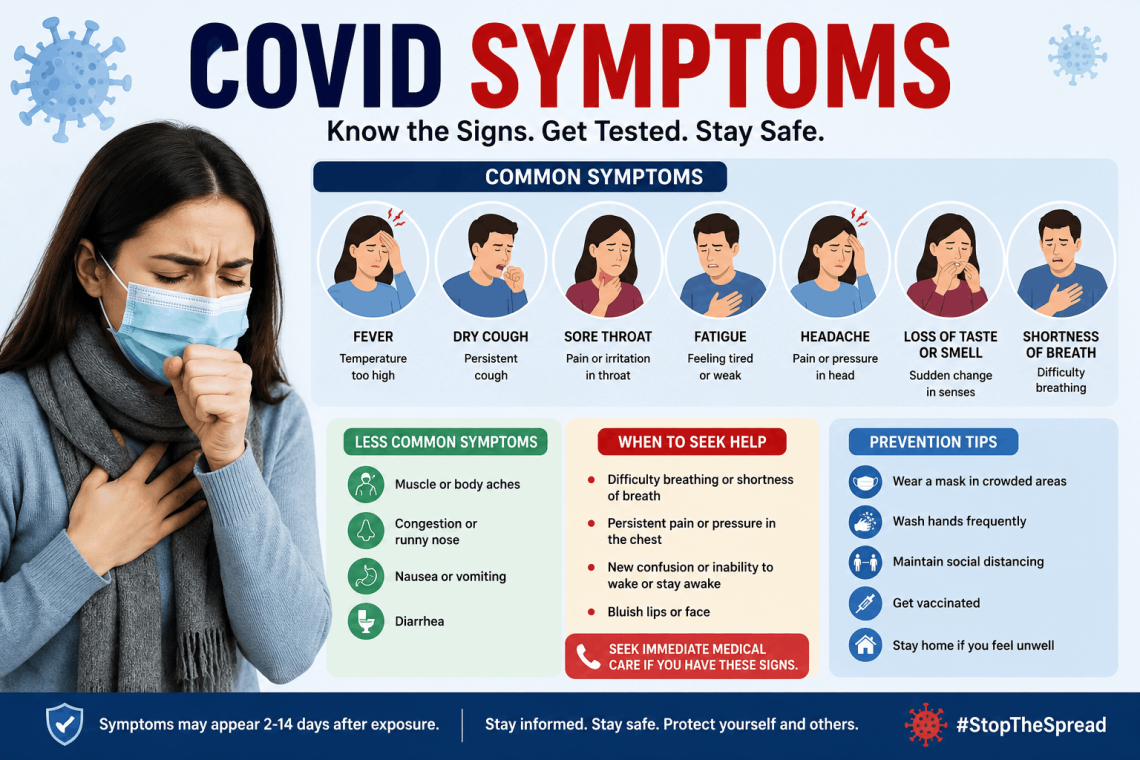
COVID Symptoms: An Essential Guide for Early Warning Signs
COVID-19 hasn’t disappeared. It’s settled into a seasonal pattern alongside flu and RSV, and the way it shows up in the body has changed quite a bit since 2020. Recognizing covid symptoms early still matters, both for getting appropriate care and for protecting the people around you, but the classic signs many of us learned years ago no longer tell the whole story.
This guide breaks down what current covid symptoms actually look like, how they differ from a regular cold or seasonal allergies, which symptoms call for urgent attention, and what steps to take the moment you suspect an infection.
Disclaimer: This article is for general information only and isn’t a substitute for medical advice. If you’re feeling unwell or unsure about your symptoms, contact a healthcare provider.
Why Recognizing COVID Symptoms Still Matters
It’s tempting to treat COVID-19 likek background noise at this point. Testing has become less routine, isolation guidance has relaxed, and for most healthy people an infection now resembles a rough cold rather than the severe illness seen in the pandemic’s early years. But that shift in severity doesn’t mean the virus stopped mattering.
Older adults, people with chronic conditions, pregnant individuals, and anyone with a weakened immune system still face a real risk of serious illness. Antiviral treatments work best when started early, which means recognizing symptoms quickly and getting tested can make a meaningful difference in outcomes for higher-risk individuals. There’s also the matter of preventing spread to vulnerable people in your household, workplace, or community.
Knowing what to watch for keeps you from dismissing an infection as “just a cold” and missing an opportunity for early intervention.
How COVID Symptoms Have Changed Over the Years
The version of COVID-19 circulating now is shaped by newer Omicron-lineage variants, which tend to settle in the upper airway rather than reaching deep into the lungs the way earlier strains often did. As a result, many infections present as sore throat, congestion, cough, and fatigue instead of the high fevers and severe shortness of breath that defined earlier waves.
Loss of taste and smell, once considered a hallmark sign of infection, is now reported in fewer than 10 percent of confirmed cases. Some clinical sources place that figure even lower. A sharp, severe sore throat has instead become one of the more distinctive early markers reported by patients with current variants, frequently described as intense pain that makes swallowing noticeably difficult.
Because of these shifts, relying on memory from past infections or outdated checklists can lead people to overlook a current case entirely.
Common COVID Symptoms to Watch For Today
Respiratory and Throat Symptoms
The most frequently reported symptoms right now center on the upper respiratory tract:
- A sore throat, often sharp and worsening with swallowing
- Nasal congestion or a persistently runny nose
- A dry, tickly cough
- Sneezing
- Mild to moderate fever or chills
These symptoms tend to come on gradually rather than all at once, which is part of why so many people assume they’re dealing with a seasonal cold or mild flu instead of COVID-19.
Fatigue, Headache, and “Brain Fog”
Beyond the respiratory symptoms, many people describe a heavy, draining fatigue that doesn’t match the severity of their other symptoms. Headaches, particularly sinus-related pressure behind the forehead and eyes, are also commonly reported with current strains. Some patients note difficulty concentrating or a general mental fog that lingers for a week or more after the initial illness starts to ease.
Muscle Aches and General Body Discomfort
Body aches, a sense of being generally “worn down,” and muscle soreness continue to appear in a large share of cases, often alongside the throat and nasal symptoms rather than as a standalone sign.
Digestive Symptoms
A noticeable share of current infections include gastrointestinal symptoms such as nausea, reduced appetite, or occasional diarrhea. These are being reported in roughly one in five cases during recent waves, which is a higher proportion than many people expect from a respiratory virus. Digestive symptoms sometimes appear before respiratory symptoms become obvious, so don’t rule out COVID-19 just because a stomach issue showed up first.
Loss of Taste or Smell
This symptom still occurs, but it’s no longer a reliable early indicator the way it was in 2020 and 2021. If it does appear, it’s worth taking seriously as a possible sign of infection, but its absence doesn’t rule COVID-19 out.
COVID Symptoms vs. Cold, Flu, and Allergies: How to Tell the Difference
Because so many respiratory illnesses share overlapping symptoms, distinguishing between them by feel alone is genuinely difficult. Health authorities continue to emphasize testing over symptom guessing precisely because the overlap between COVID-19, flu, and the common cold is so significant.
COVID-19 vs. the Common Cold
A regular cold tends to come on gradually and rarely includes fever, severe fatigue, or noticeable body aches. COVID-19 is more likely to bring at least one of those additional symptoms even in mild cases, along with the sharp sore throat that’s become a hallmark of recent strains.
COVID-19 vs. Influenza
Flu often arrives more abruptly, with fever and body aches hitting hard within hours. You genuinely cannot tell the difference between flu and COVID-19 by symptoms alone, since both viruses can produce nearly identical presentations. This is exactly why testing matters: treatment options, recovery timelines, and precautions for people around you can differ depending on which virus is responsible.
COVID-19 vs. Allergies
Allergies typically bring itchy, watery eyes and sneezing without fever or body aches, so the presence of fever, distinct muscle soreness, or digestive symptoms should raise suspicion toward an infection rather than seasonal allergies. Allergy symptoms also tend to stay fairly constant day to day, while infections usually shift and intensify over the first few days.
How Long After Exposure Do Symptoms Appear?
Symptoms can appear anywhere from 2 to 14 days after exposure to the virus, though current strains tend to produce a shorter incubation period than earlier versions of the virus, often within just a few days of contact with an infected person. Most people start to improve within about a week to ten days, though a lingering cough and tiredness can stick around longer than the other symptoms.
Severe Symptoms: When to Seek Emergency Care
Most current infections resolve with rest, fluids, and over-the-counter symptom relief. But certain symptoms signal a need for urgent medical attention and shouldn’t be managed at home. Seek emergency care if you or someone you’re caring for experiences:
- Trouble breathing or persistent shortness of breath
- Ongoing chest pain or pressure
- New confusion or difficulty staying alert
- Difficulty waking up or staying awake
- Pale, gray, or blue-tinged lips, nail beds, or skin, depending on skin tone
If you notice any of these signs in yourself or someone else, call 911 or contact your local emergency facility right away, and let the operator know you’re seeking care for someone who has or may have COVID-19. These symptoms can indicate serious complications that need immediate evaluation rather than a wait-and-see approach.
Who Faces Higher Risk From COVID-19
While most healthy adults recover from current variants without complications, certain groups face a meaningfully higher risk of severe illness:
Older Adults
Risk of severe outcomes climbs steadily with age, particularly for people over 65.
People With Chronic Health Conditions
Diabetes, heart disease, chronic lung conditions, obesity, and kidney disease all increase the likelihood of a more serious course of illness.
Immunocompromised Individuals
People undergoing cancer treatment, organ transplant recipients, and others with weakened immune systems face both a higher risk of severe illness and the possibility of a longer infectious period.
Pregnant Individuals
Pregnancy changes immune function in ways that can increase the risk of complications from respiratory infections, including COVID-19.
If you fall into one of these groups, don’t wait out mild symptoms before reaching out to a healthcare provider. Seeking care promptly for testing and treatment can help lower the risk of progressing to severe illness when treatment is appropriate for your situation.
Testing: Why It Still Matters
With symptoms overlapping so heavily across respiratory viruses, testing remains one of the only reliable ways to know what you’re actually dealing with. Rapid antigen tests remain widely available and effective at detecting current variants, though a negative result early in an infection doesn’t always mean you’re in the clear.
If you have symptoms and test negative on a rapid test, it’s worth repeating the test in 24 to 48 hours, particularly before being around anyone at higher risk. Viral load can take a day or two to climb high enough for a rapid test to pick it up, even when symptoms are already present. PCR testing, when available, offers greater sensitivity and can detect infection earlier in its course.
What To Do If You Think You Have COVID-19
Step 1: Isolate From Others
Stay home and limit contact with people you live with, particularly anyone at higher risk for severe illness, until you have a clearer picture of what’s going on.
Step 2: Test, and Retest If Needed
Take a rapid test as soon as symptoms appear. If it’s negative but symptoms persist or worsen, test again after a day or two rather than assuming you’re free of infection.
Step 3: Monitor Your Symptoms
Keep an eye on how you’re feeling over the following days. Most mild cases improve steadily, but watch closely for any of the severe warning signs covered above.
Step 4: Contact a Healthcare Provider If You’re High Risk
If you have underlying health conditions, are over 65, are pregnant, or are otherwise considered higher risk, reach out to a provider promptly. Antiviral treatments are most effective when started within the first few days of symptoms.
Step 5: Know When You Can Return to Normal Activities
Current public health guidance suggests returning to normal activities once two conditions are both true for at least 24 hours: symptoms are improving overall, and any fever has resolved without the help of fever-reducing medication. For the five days after returning to your usual routine, extra precautions like masking around others, improving ventilation, and testing before close indoor contact can help reduce the chance of passing the virus along.
Long COVID: Symptoms That Persist
For some people, symptoms don’t fully resolve after the acute infection clears. Long COVID can include a wide range of lingering effects, and these symptoms can last months or even years, sometimes emerging, easing, and reemerging over time.
Commonly reported lingering effects include persistent fatigue, brain fog or memory difficulties, and in some cases nerve-related sensations like tingling or numbness. Research continues to refine the understanding of these longer-term effects, including possible links between infection and other health changes that doctors are now watching for during recovery checkups. There’s currently no laboratory test that can confirm whether ongoing symptoms are caused by a past COVID-19 infection, which makes diagnosis a matter of careful clinical evaluation rather than a simple test result.
If symptoms persist well beyond the typical recovery window, or if new symptoms emerge weeks after the initial illness, talk with a healthcare provider about whether Long COVID could be a factor.
Practical Prevention Tips Worth Keeping Up
Recognizing symptoms early is only half the picture. A few ongoing habits make a real difference in reducing exposure and limiting spread:
- Stay current on recommended vaccinations, particularly if you’re in a higher-risk group
- Improve indoor ventilation when possible, including opening windows or using air purifiers in shared spaces
- Wear a well-fitted mask in crowded indoor settings during periods of high local transmission
- Wash hands frequently, especially after being in public spaces
- Stay home when sick, even if symptoms seem mild
None of these steps need to be elaborate or disruptive to daily life. Treated as routine habits rather than emergency measures, they meaningfully lower the odds of catching or spreading the virus during seasonal surges.
Frequently Asked Questions About COVID Symptoms
Can you have COVID-19 without a fever?
Yes. Many current infections produce mild or no fever at all, particularly in vaccinated individuals or those with prior immunity. Sore throat, congestion, and fatigue are now just as common as fever, if not more so.
How soon do COVID symptoms start after exposure?
Symptoms typically appear within 2 to 14 days of exposure, though many recent infections show symptoms within just a few days due to shorter incubation periods associated with current variants.
Is loss of taste and smell still a reliable sign of COVID-19?
Not anymore. It occurs in a much smaller share of cases than it did earlier in the pandemic, so its absence shouldn’t be used to rule out infection.
Should I get tested even if my symptoms feel mild?
Testing is worthwhile, particularly if you’ll be around higher-risk individuals or if symptoms persist for more than a couple of days. A mild presentation doesn’t always mean low contagiousness.
How long am I contagious after symptoms start?
Most people are contagious from roughly one to two days before symptoms begin through the first five to seven days of illness, though this window can extend for those with severe illness or weakened immune systems.