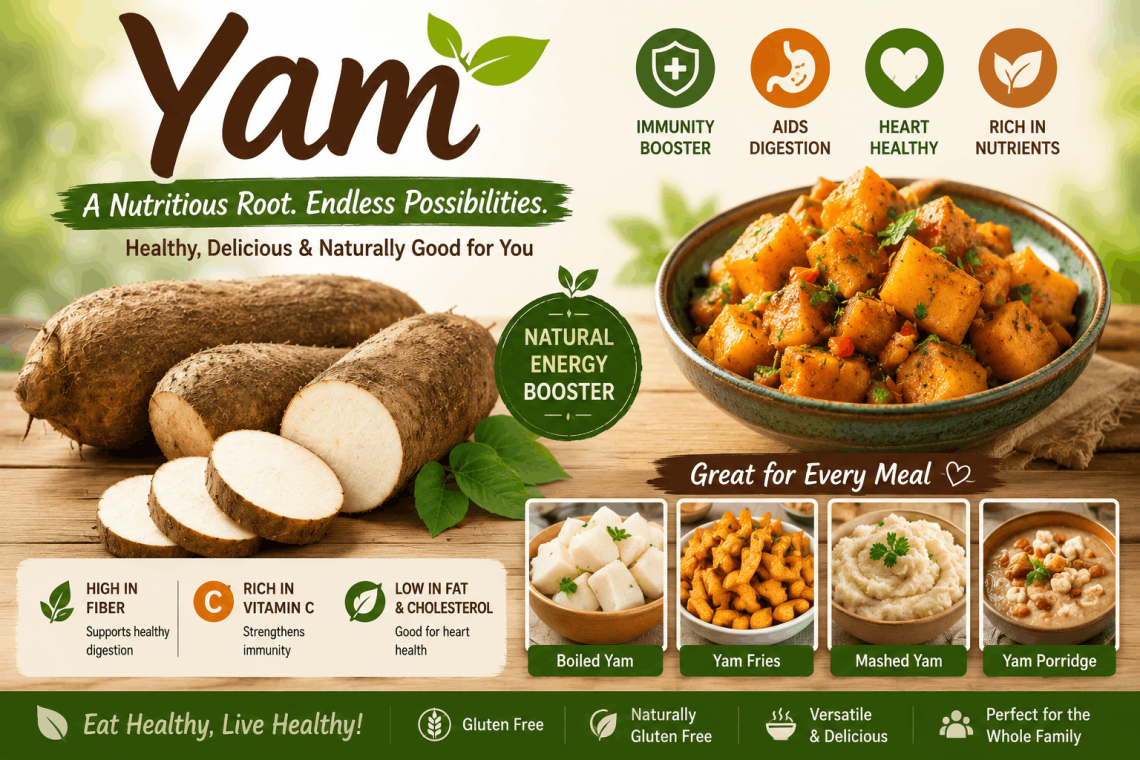
Yam: The Complete Guide to Amazing Health Benefits and Nutrition
Meta Description: Discover the powerful health benefits of yam, its nutritional profile, how it differs from sweet potatoes, and practical ways to add this superfood to your daily diet.
Why Yam Deserves a Permanent Spot on Your Plate
Few foods carry as much nutritional weight as the yam. Starchy, filling, and packed with vitamins, minerals, and antioxidants, yam has fed billions of people across Africa, Asia, the Caribbean, and Latin America for thousands of years and modern nutrition science keeps finding new reasons to appreciate it.
Yet in Western grocery stores and kitchens, yam remains misunderstood, underused, and frequently confused with its distant cousin, the sweet potato. This guide clears up the confusion, breaks down the full nutritional profile of yam, examines its science-backed health benefits, and gives you practical ways to cook with it starting tonight.
Whether you’re looking to manage blood sugar, support heart health, improve digestion, or simply eat more whole foods, yam belongs in your regular meal rotation.
What Is a Yam? Understanding the Real Thing
The True Definition of Yam
A true yam belongs to the genus Dioscorea and is a starchy tuber native to Africa and Asia. There are over 600 species of yam, with the most commonly consumed varieties including:
- White yam (Dioscorea rotundata) the most widely grown species, particularly in West Africa
- Yellow yam (Dioscorea cayenensis) slightly sweeter than white yam, common in the Caribbean
- Water yam (Dioscorea alata) also called purple yam or ube, popular in Southeast Asia and the Pacific Islands
- Bitter yam (Dioscorea dumetorum) typically requires thorough cooking to neutralize natural toxins; used medicinally in many cultures
- Chinese yam (Dioscorea polystachya) common in East Asian cuisines, sometimes consumed raw
True yams have rough, bark-like brown or black skin and starchy white, yellow, or purple flesh depending on the variety. They grow in tropical and subtropical climates and can reach impressive sizes . some varieties weigh over 100 pounds at maturity.
Yam vs. Sweet Potato: Setting the Record Straight
This distinction matters because most canned “yams” sold in American supermarkets are actually sweet potatoes. The U.S. Department of Agriculture (USDA) and many grocery chains have used the term “yam” loosely to describe orange-fleshed sweet potatoes, particularly the softer, moister varieties.
Here’s how they actually compare:
| Feature | True Yam | Sweet Potato |
| Botanical family | Dioscoreaceae | Convolvulaceae |
| Skin texture | Rough, bark-like | Smooth, thin |
| Flesh color | White, yellow, or purple | Orange (most common), white, or purple |
| Taste | Starchy, mildly earthy | Sweeter, more moist |
| Nutritional profile | Higher in potassium and B6 | Higher in beta-carotene and vitamin A |
| Origin | Africa and Asia | Central/South America |
| Size | Can grow very large (up to 5 ft) | Smaller, uniform size |
For the purposes of this guide, we’re focusing on true yam . Dioscorea species . and the specific benefits its unique nutritional profile delivers.
Yam Nutrition Facts: A Detailed Breakdown
Macronutrients per 100g (Cooked Yam)
One cup (approximately 136g) of cooked yam provides:
- Calories: 158
- Carbohydrates: 37.5g
- Dietary Fiber: 5.3g
- Protein: 2g
- Fat: 0.2g
- Water: 69.6%
Yam is a low-fat, high-fiber complex carbohydrate exactly the kind of energy source that keeps you full, supports stable blood sugar, and provides sustained fuel for physical and mental activity.
Key Vitamins in Yam
Vitamin C: A single cup of yam delivers approximately 27% of your daily recommended intake of vitamin C a powerful antioxidant that supports immune function, collagen production, and iron absorption.
Vitamin B6 (Pyridoxine): Yam is one of the better plant-based sources of vitamin B6, providing around 29% of your daily needs per cup. B6 is critical for brain health, neurotransmitter production (including serotonin and dopamine), and protein metabolism.
Thiamine (B1) and Riboflavin (B2): Both are present in meaningful amounts and support energy metabolism at the cellular level.
Folate: Particularly relevant for pregnant women and those planning pregnancy, yam provides a moderate amount of folate per serving.
Key Minerals in Yam
Potassium: Yam is exceptionally rich in potassium, providing roughly 19% of daily needs per cup. Potassium regulates blood pressure, supports heart rhythm, and helps balance fluid levels in the body.
Manganese: One cup of yam delivers about 22% of daily manganese needs. Manganese is involved in bone formation, blood clotting, and reducing oxidative stress through its role in the antioxidant enzyme superoxide dismutase.
Magnesium, Phosphorus, and Copper: All present in useful amounts, contributing to bone health, energy production, and connective tissue maintenance.
Health Benefits of Yam Backed by Science
1. Yam Supports Healthy Blood Sugar Levels
Despite being a starchy carbohydrate, yam has a relatively low glycemic index (GI) compared to other starchy foods. White yam has a GI of around 54 considered a medium-GI food meaning it raises blood glucose more gradually than white rice, white bread, or regular potatoes.
The reason comes down to its resistant starch content. A significant portion of yam’s starch resists digestion in the small intestine, passing to the colon where it acts more like soluble fiber. This slows glucose absorption, reduces post-meal blood sugar spikes, and can improve insulin sensitivity over time.
Research published in food science journals has found that yam’s unique starch structure produces a lower glycemic response compared to other tubers, making it a potentially better carbohydrate choice for people managing or at risk for type 2 diabetes. Always consult your healthcare provider for personalized dietary guidance.
2. Yam Is Rich in Antioxidants That Fight Inflammation
Yam contains several potent antioxidant compounds including allantoin, polyphenols, and diosgenin a naturally occurring steroid compound found specifically in Dioscorea species.
These antioxidants neutralize free radicals unstable molecules that damage cells, accelerate aging, and contribute to chronic diseases including cancer and cardiovascular disease. Regular consumption of antioxidant-rich foods like yam is associated with lower markers of systemic inflammation in multiple population studies.
Diosgenin in particular has attracted scientific attention. Laboratory and animal studies suggest it may have anti-inflammatory, anti-tumor, and neuroprotective properties, though human clinical trials are still ongoing.
3. Yam Supports Digestive Health
The fiber content in yam approximately 5.3g per cup makes it a meaningful contributor to digestive health in two distinct ways.
Soluble fiber (including some of yam’s resistant starch) feeds beneficial gut bacteria, supporting a healthy microbiome. A well-nourished gut microbiome is linked to better immune function, mood regulation, and reduced risk of colon cancer.
Insoluble fiber adds bulk to stool, promotes regular bowel movements, and reduces the risk of constipation and related conditions like diverticular disease.
For people who struggle to hit the recommended 25–38g of dietary fiber per day, yam is a satisfying, filling vehicle for hitting that target.
4. Yam May Support Heart Health
Several properties of yam combine to make it a heart-friendly food:
- High potassium content helps relax blood vessel walls and counteracts the blood pressure-raising effects of dietary sodium
- Dietary fiber helps reduce LDL (bad) cholesterol by binding to cholesterol in the digestive tract and removing it before absorption
- Low fat and sodium means it doesn’t add cardiovascular burden
- Antioxidants reduce oxidative damage to blood vessel walls, a key driver of atherosclerosis
One traditional use of wild yam (Dioscorea villosa) in herbal medicine has been cardiovascular support, and while herbal extracts function differently from dietary yam, the whole food’s nutrient profile clearly supports heart health as part of a balanced diet.
5. Yam and Brain Health: The B6 Connection
Vitamin B6 is one of yam’s nutritional standouts, and its implications for brain health are significant. B6 is required for the synthesis of:
- Serotonin the neurotransmitter associated with mood regulation and emotional wellbeing
- Dopamine involved in motivation, reward, and motor control
- GABA an inhibitory neurotransmitter that reduces anxiety and promotes calm
Adequate B6 intake is associated with lower rates of depression and cognitive decline in older adults. Several observational studies have linked low B6 status with increased risk of neurodegenerative conditions. While yam alone isn’t a treatment for any mental health condition, its B6 content contributes meaningfully to the dietary foundation of brain health.
6. Yam May Help Balance Hormones Naturally
Wild yam (Dioscorea villosa) is frequently marketed in supplement form for hormone balance, particularly in women experiencing menopause. The connection traces back to diosgenin the plant steroid compound that can be converted in a laboratory into progesterone, DHEA, and other hormones.
It’s worth being clear here: the human body cannot convert diosgenin from food into hormones on its own. That conversion requires industrial chemical processes. So eating yam won’t directly raise progesterone levels.
However, the anti-inflammatory and antioxidant properties of diosgenin from dietary yam may still provide indirect benefits for hormonal health, and some animal studies have shown that yam extract affects estrogen-related pathways. Research in this area is active and evolving.
7. Yam Supports Bone Health
The combination of manganese, magnesium, phosphorus, and copper in yam contributes to bone density and structural integrity. Manganese is a cofactor for enzymes involved in bone matrix formation. Magnesium supports calcium absorption and bone mineralization. Copper is involved in collagen cross-linking . the process that gives bones and connective tissue their tensile strength.
For older adults particularly, where bone density naturally declines, eating a diet rich in these minerals matters. Yam provides several of them in a single, affordable food source.
Yam in Traditional Medicine: A Long History of Healing
Long before randomized controlled trials, communities across West Africa, East Asia, and the Caribbean used yam therapeutically. Traditional uses included:
- Managing fertility and menstrual irregularity (using wild yam species)
- Treating rheumatism and joint pain through anti-inflammatory properties
- Wound healing . the allantoin compound in yam has known tissue-regenerating properties and is used in commercial wound care products today
- Supporting digestion and managing diarrhea
- Reducing coughs and respiratory irritation
These traditional uses don’t replace modern medicine, but they point to why yam earned its respected status in food cultures around the world and why researchers continue to study its bioactive compounds.
How to Select, Store, and Prepare Yam
Choosing the Best Yam at the Market
- Look for firm, unblemished tubers with intact skin. Soft spots, mold, or cracks indicate deterioration.
- Heavier yams tend to have better moisture content and flavor.
- Avoid yams with green patches or signs of sprouting.
Storing Yam Properly
- Uncut yam: Store in a cool, dark, well-ventilated place (like a pantry or root cellar). Properly stored, whole yams last 2–3 weeks.
- Cut yam: Wrap tightly in plastic wrap and refrigerate. Use within 4–5 days.
- Cooked yam: Store in an airtight container in the refrigerator for up to 5 days or freeze for up to 6 months.
Preparing Yam: What You Need to Know
Raw yam contains oxalates and, in some varieties, mild natural toxins that can cause skin irritation during peeling and digestive discomfort if consumed uncooked. Always:
- Peel yam using a sturdy vegetable peeler or paring knife (wearing gloves is a good idea if you have sensitive skin)
- Rinse thoroughly after peeling
- Cook fully before eating boiling, steaming, baking, or frying all work well
Delicious Ways to Eat Yam
Classic Preparations
Boiled Yam: Cut into chunks, boil in salted water for 20–25 minutes until fork-tender. Serve with eggs, stew, or spiced oil. A staple across West Africa.
Baked Yam: Rub whole or halved yam with olive oil, sprinkle with salt and pepper, bake at 400°F (200°C) for 40–50 minutes. The skin crisps up beautifully.
Yam Pottage (Porridge): A West African comfort dish made by simmering yam chunks with palm oil, crayfish, peppers, and leafy greens until the yam softens and absorbs the flavors.
Ube (Purple Yam) Dishes: Purple yam (Dioscorea alata) is a cornerstone of Filipino cuisine . used in ube halaya (jam), ube ice cream, ube cake, and flavored rice.
Modern Preparations
- Yam fries: Cut into strips, toss in oil and spices, bake or air-fry until crispy
- Yam mash: Boil and mash with butter, garlic, and a splash of cream a hearty alternative to mashed potatoes
- Yam soup: Blend roasted yam into a smooth, creamy soup with ginger, coconut milk, and turmeric
- Yam fritters: Grate raw yam, mix with egg, seasoning, and pan-fry until golden
- Yam in curries: Diced yam absorbs curry spices beautifully and holds its shape during cooking
How Much Yam Should You Eat?
There’s no formal recommended daily intake for yam, but as part of a balanced diet, one to two cups of cooked yam per meal (2–3 times per week) is a reasonable and nutritionally beneficial amount for most adults.
People with kidney disease should be mindful of yam’s potassium content, as high dietary potassium can be problematic when kidney filtration is impaired. If you’re managing kidney disease, discuss portion sizes with your nephrologist or dietitian.
For most healthy adults, yam’s nutrient density makes regular consumption straightforwardly beneficial.
Yam vs. Other Starchy Vegetables: How Does It Compare?
| Food (1 cup cooked) | Calories | Fiber | Potassium | Vitamin C | GI |
| Yam | 158 | 5.3g | 816mg | 17mg | ~54 |
| Sweet potato | 180 | 6.6g | 950mg | 39mg | ~63 |
| White potato | 136 | 2.4g | 620mg | 25mg | ~82 |
| Cassava | 330 | 3.7g | 558mg | 42mg | ~46 |
| Taro | 187 | 6.7g | 615mg | 5mg | ~54 |
Yam’s profile sits favorably in this group . moderate calorie density, solid fiber, excellent potassium, meaningful vitamin C, and a lower glycemic index than white potato or sweet potato.
Who Benefits Most From Eating Yam Regularly?
People with blood sugar concerns: Yam’s lower glycemic index and resistant starch content make it a smarter starch choice than many alternatives.
Athletes and active individuals: The complex carbohydrates in yam provide sustained energy for training without the crash associated with refined carbs.
Older adults: The combination of B6 for brain health, potassium and fiber for heart health, and manganese and magnesium for bone density addresses several age-related nutritional priorities in one food.
Pregnant women: Folate, B6, and iron-supporting vitamin C make yam a nutritious choice during pregnancy (always discuss dietary changes with your OB or midwife).
People focused on gut health: High fiber and resistant starch feed beneficial gut bacteria priority for anyone building a microbiome-friendly diet.
Anyone looking to diversify their diet: If your carbohydrate sources are currently limited to white rice, white bread, and pasta, yam introduces meaningful nutritional variety.
Frequently Asked Questions About Yam
Is yam good for weight loss?
Yam can support weight management. It’s high in fiber and water content, both of which increase satiety and reduce total calorie intake. Its moderate calorie density (158 per cup cooked) makes it a filling option that doesn’t push you over a calorie budget.
Can you eat yam raw?
Most true yam varieties should not be eaten raw. Raw yam contains compounds that can cause digestive irritation or, in bitter varieties, mild toxicity. Cooking neutralizes these compounds. Chinese yam (Dioscorea polystachya) is one of the few varieties sometimes consumed raw in small amounts in traditional East Asian practices.
Is yam good for diabetics?
Yam’s lower glycemic index and resistant starch content make it a better carbohydrate choice compared to many other starches for people managing type 2 diabetes. Portion control still matters. Anyone with diabetes should work with their healthcare team to determine appropriate portion sizes.
What is the difference between yam and sweet potato nutritionally?
Sweet potato has more vitamin A (as beta-carotene) and is slightly sweeter with a higher glycemic index. Yam has more potassium, a lower GI, and contains diosgenin a plant compound absent from sweet potatoes. Both are excellent nutritional choices; the best one to eat is the one you enjoy and will eat consistently.
Quick Yam Nutrition Summary
| Nutrient | Per Cup (136g cooked) | % Daily Value |
| Calories | 158 | — |
| Carbohydrates | 37.5g | 14% |
| Fiber | 5.3g | 19% |
| Protein | 2g | 4% |
| Vitamin C | 17mg | 19% |
| Vitamin B6 | 0.49mg | 29% |
| Potassium | 816mg | 17% |
| Manganese | 0.5mg | 22% |
| Magnesium | 32mg | 8% |
Making Yam a Regular Part of Your Diet
The evidence is clear. Yam is a nutrient-dense, affordable, versatile whole food with real health benefits backed by both traditional use and modern nutritional research. It supports blood sugar stability, heart health, brain function, bone density, digestive health, and provides a range of antioxidants that protect against chronic disease.
It’s also genuinely delicious when prepared well whether you’re boiling it for a simple weeknight side, baking it into crispy fries, or cooking it into a slow-simmered stew.
Start simple. Add yam to your grocery list this week. Boil a pot of it, season it simply, and taste the difference a whole food carbohydrate makes compared to processed alternatives. From there, try one new recipe per week until yam becomes as natural a staple in your kitchen as it has been for billions of people around the world for centuries.