Explore how the Oyster industry is evolving in 2026, as demand grows for fresh seafood and sustainable aquaculture practices. This article uncovers the latest growth trends, emerging market opportunities, and critical insights that are shaping the future of this thriving seafood sector. From innovative farming techniques to changes in consumer preferences, learn how the Oyster industry is adapting to meet both environmental standards and global demand while offering exciting prospects for businesses, investors, and seafood enthusiasts alike.
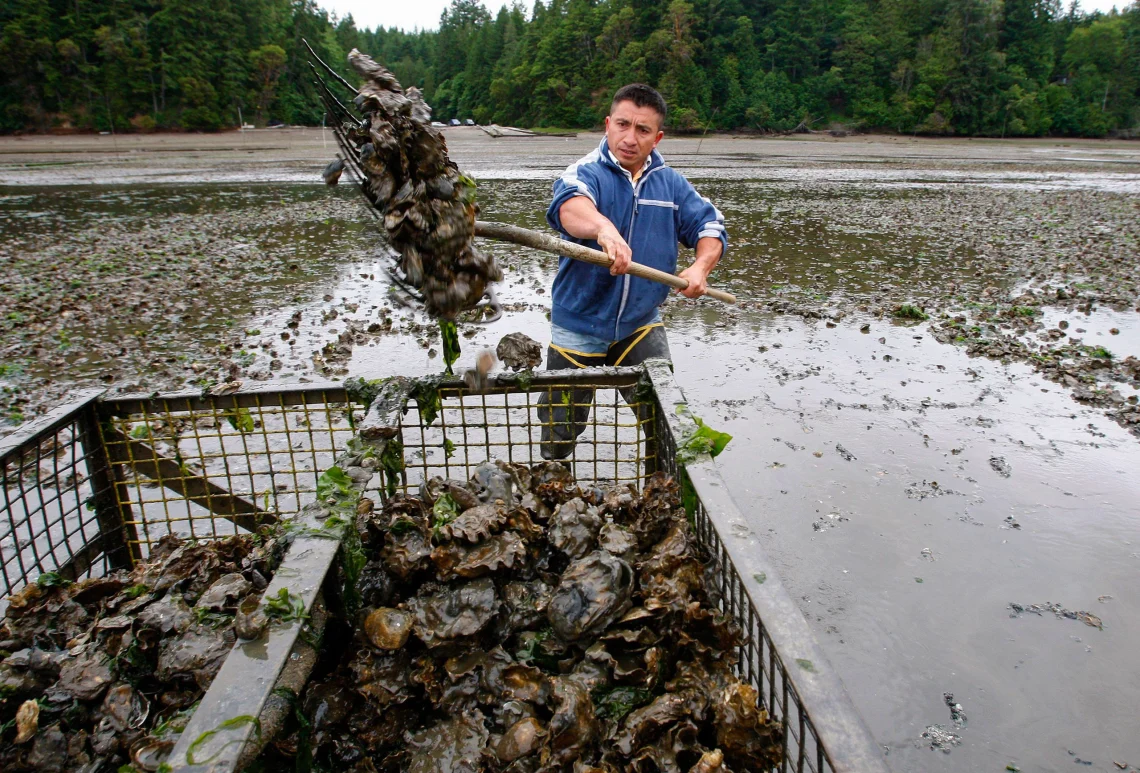
The oyster sector stands strong in global aquaculture. Production reached around 7.5 million metric tons in recent years. China leads with over 85 percent of output. Farming methods focus on sustainability. Oysters filter water and build habitats. Many operations use off-bottom techniques for better yields.
In the US, spots like Matunuck Oyster Bar showcase farm-to-table approaches. Union Oyster House in Boston keeps traditions alive as a historic oyster bar in US. Demand rises with health awareness. Consumers seek nutrient-rich seafood. Restaurants and retail drive sales.
This base supports steady expansion. Next, we examine numbers behind the progress.
Market Size and Growth Projections
Recent reports place the oyster farming market near 10 billion dollars. Values vary, but growth stays consistent at 3 to 5 percent annually. By 2030, projections point to 15 billion or more. Asia Pacific holds the largest share. Europe and North America follow with premium focus. Volume hit 7.5 million tons lately. Aquaculture supplies most. Wild harvests remain small. Investments in hatcheries boost supply. Triploid varieties resist disease better.
These figures signal reliable advancement. Regional differences add layers.
Regional Trends and Leaders
Asia dominates oyster production. China, Korea, and Japan produce the bulk. Favorable coasts support large-scale farms. Europe emphasizes quality. France exports widely. Ireland grows through innovation. North America recovers in places like the Gulf. Pacific coasts yield distinct flavors. Emerging areas in Latin America and Africa show promise. Local demand builds infrastructure.
Trade flows from producers to consumers. Premium markets pay more for traceability. Variations create balanced global supply. Sustainability shapes practices everywhere.
Sustainability and Environmental Impact
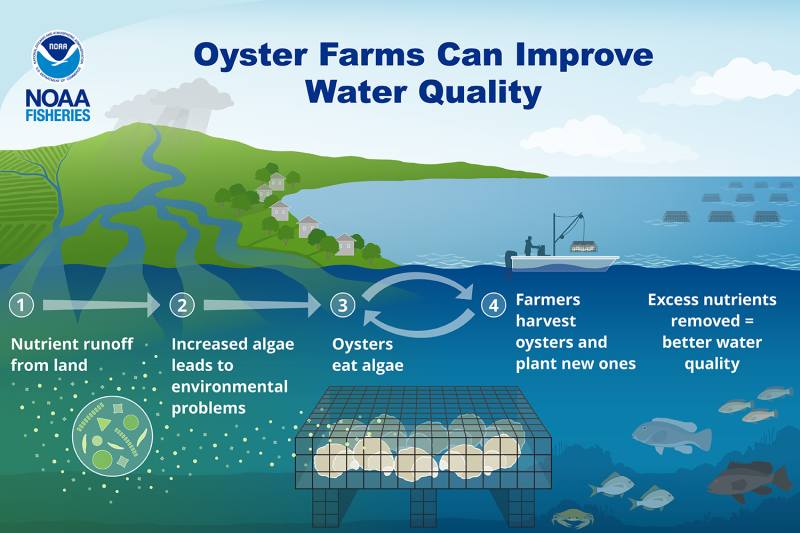
Oyster farming aids ecosystems. Shellfish clean water by filtering particles. One adult processes gallons daily. Reefs restore habitats for fish. Carbon sequestration occurs through shells. No feed needed reduces inputs. Farms avoid many pollution issues. Certifications promote best methods. Monitoring prevents disease spread. Climate shifts pose risks like acidification. Resilient strains help adapt.
Overall, the industry models green aquaculture. Benefits often outweigh concerns.
Challenges Facing the Industry
Disease outbreaks affect yields. Vibrio bacteria concerns rise in warm waters. Climate events disrupt operations. Storms damage gear. Regulations vary by area. Licensing slows expansion in some spots. Market prices fluctuate. Supply gluts lower returns. Labor shortages hit remote farms. Automation trials address this.
Solutions emerge through research. Collaboration builds resilience.
Opportunities and Innovations
Health trends favor oysters. Nutrients attract conscious eaters. Culinary uses expand. Oyster Rockefeller classics join new fusions. Oyster sauce adds flavor worldwide. Substitutes suit vegans. Mushroom cousins like king oyster mushroom gain fans. Recipes blend seafood and fungi. Tech improves monitoring. Sensors track water quality. Direct sales grow online. Sign up for farm shares connects buyers. Luxury ties appear oddly. Rolex Oyster Perpetual nods to sealed strength.
These paths open doors. Diversification strengthens positions.
Famous Spots and Cultural Ties
Iconic places define enjoyment. Union shellfish House serves history. Matunuck seafood bar offers fresh views. Bivalve bar in US scenes vary widely. Excellence coastal delicacy Bay suggests quality wines paired well. Blue ocean delicacy Cult songs evoke mystery. Cultural nods keep interest alive. Shellfish crackers complement stews. Simple additions enhance meals. Seafood stew recipe warms winters. Traditional comfort endures.
Visits to farms educate. Experiences build loyalty.
Future Outlook
Growth continues steadily. Demand for sustainable protein rises. Innovations tackle challenges. Hybrid methods may emerge. Exports balance regional strengths. Premium segments expand. Consumer education spreads benefits. Younger groups embrace seafood. The oyster sector adapts well. Long-term stability looks solid.
Here are the few benefits of Alaskan seiti , another aquatic life.
Frequently Asked Questions
Are these halal or haram?
Opinions differ by school. Hanafi views them as haram, while Shafi’i, Maliki, and Hanbali often allow them as aquatic game.
Is it good for health?
Yes, it provide zinc, B12, and omega-3s for immunity, brain, and heart support when eaten safely.
Are these veg or nonveg?
They are non-vegetarian as they are animals, though some debate their sentience for ethical eating.
What religion can’t eat this aquatic animal?
Judaism prohibits it under kosher laws, as they lack fins and scales.
Can Muslims eat these?
Many can, depending on interpretation, but Hanafi Muslims typically avoid them as non-fish seafood.
What are the benefits of eating Oyster?
Benefits include boosted immunity from zinc, better brain health from B12, heart support from omega-3s, and anemia prevention from iron.