Introduction
Solar power now serves millions of homes and companies reliably. HMS Photovoltaik delivers intelligent microinverter technology from Hoymiles that boosts performance and simplifies operation.
This approach attaches a small inverter to each panel. It converts power individually for higher yields. Late 2025 brings fresh models like the MiS series, noted for light weight and top efficiency.
Users gain detailed views through apps showing live output. HMS Photovoltaik suits those seeking dependable clean energy. This piece examines its features and gains based on recent progress.
Core Technology and Components
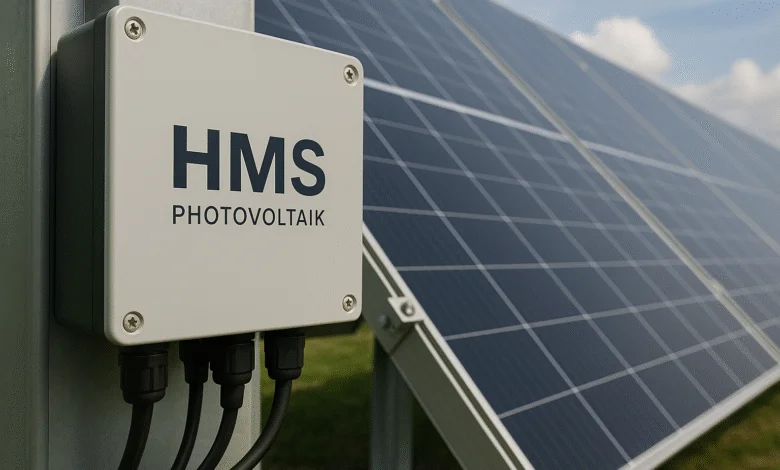
HMS Photovoltaik uses solar cells to turn light into DC power. Each panel pairs with a Hoymiles microinverter from the HMS line, handling up to 2000 VA in versions like 1-in-1, 2-in-1, or 4-in-1. These units convert DC to AC directly at the panel. Separate MPPT per channel tracks peak power independently. Shading on one panel leaves others unaffected.
A gateway gathers data via WiFi or Sub-1G signals. Cloud access lets users view details on mobile devices. Hybrid setups add batteries for storage. Parts resist weather with IP67 ratings. The system adjusts to conditions for steady results.
Powerful Advantages Over Traditional Solar Systems
HMS Photovoltaik optimizes at the panel level. Partial shade or dirt impacts only that unit, raising harvest by 5 to 30 percent in tough spots compared to string setups. Monitoring detects faults early. Remote tools limit repair visits. Add panels without big changes.
Safety improves with low DC voltage and quick shutdown. Peak efficiency hits 96.7 percent. Long guarantees cover years of use. These points position HMS Photovoltaik as dependable and high-yield.
Real World Applications and Use Cases
HMS Photovoltaik adapts to many setups, from rooftops and ground mounts to balconies. Homeowners install it on houses for daily power needs. City apartment owners often select compact plug-in versions that fit tight spaces. In Europe, the 1800 watt balkonkraftwerk has become a favorite choice. This balcony system teams up models like the HMS-1800 with panels mounted on railings. It connects straight to the grid through a simple outlet, perfect for renters who want solar without big changes.
Bigger systems support offices, warehouses, and farms. Remote locations run pumps or equipment independently. Community groups link multiple installs to share energy. In places with unreliable grids, adding storage provides backup power. HMS Photovoltaik handles everything from small personal projects to large commercial ones with ease.
Installation Process and Maintenance Tips
Installing HMS Photovoltaik starts with a careful check of your site. Experts measure sunlight exposure and test the roof or mounting area for strength. This step ensures everything fits safely and captures the most energy possible. Once approved, trained teams mount the panels in place. They attach the microinverters directly to each panel. Wiring runs neatly to the central gateway, which then connects to your home’s electrical system and the grid.
The final part involves pairing the system with its app. This takes just minutes on your phone or computer. For most homes, the whole process finishes in a single day. Software updates arrive automatically over WiFi, adding new features without hassle. Schedule a professional inspection once a year to catch any wear early.
Environmental and Economic Benefits
HMS Photovoltaik helps cut down on fossil fuel use. A typical setup offsets a large amount of CO2 over its lifetime, contributing to cleaner air. Unlike traditional power plants, solar systems need no water for cooling. This saves resources in areas where water is scarce.
Homeowners see their electricity bills drop, sometimes by half or more in sunny regions. Government incentives and tax credits make the switch faster to pay off. The value of a property often rises after adding solar panels. Local jobs grow through installation and service work in the solar field. These systems combine clear environmental gains with solid financial returns.
Integration with Smart Home Ecosystems
HMS Photovoltaik links easily to popular smart home hubs and voice assistants. You can set rules to send surplus power straight to electric vehicle chargers or water heaters. Check current production or system status with simple voice commands. Unified dashboards pull together energy data from lights, appliances, and solar in one view.
The app sends quick alerts for any unusual drops in output. Regular wireless updates keep connections smooth with new devices. Overall, HMS Photovoltaik fits naturally into modern connected homes, making energy management simpler and more automatic.
Future Trends in HMS Photovoltaik
Future trends in HMS Photovoltaik point toward smarter and more efficient solar systems. Greater use of AI will help predict energy output more accurately and manage power loads with less waste, while new materials will make units lighter and easier to install. Energy storage integration will become stronger, and connections with electric vehicles will expand for home and small business use. As smart cities grow and supportive energy policies increase toward 2030, innovations from Hoymiles, including MiS technology, are expected to keep HMS Photovoltaik at the forefront of solar solutions.
Customer Stories and Case Studies
People across different countries have seen real gains from HMS Photovoltaik. In Germany, several apartment owners installed an 1800 watt balkonkraftwerk using Hoymiles microinverters and panels. Their monthly electricity bills fell sharply, often by 40 percent or more, while the app provided easy daily tracking of production.
Spanish farmers upgraded older systems to HMS Photovoltaik on their land. They reported much higher energy collection, even under partial cloud cover, and found it simpler to run irrigation pumps without depending on the grid.
A group of businesses in the United States linked multiple rooftop setups into one shared platform. By monitoring combined output, they adjusted usage habits and lowered overall power expenses by thousands annually.
How to Select the Right HMS Photovoltaik System
Picking the best HMS Photovoltaik setup begins with a close look at your electricity habits. Track how much power your home uses each month to figure out the system size that will cover most needs. Take stock of available roof or balcony space and set a clear budget upfront. These limits help narrow options quickly.
Focus on components that carry strong certifications and long warranties from Hoymiles. Compare several proposals side by side. The right choice matches your situation perfectly and delivers steady savings plus dependable performance for years ahead.
Conclusion
HMS Photovoltaik brings intelligent microinverter technology to solar power. It delivers higher energy yields and clear oversight through its monitoring tools. As more people and businesses turn to renewable sources, options like this make the switch practical and effective. Consider HMS Photovoltaik for your own setup. It opens the door to reliable, cleaner electricity starting today.
Frequently Asked Questions
What is the difference between solar panels and photovoltaics?
Photovoltaic systems use special cells to convert sunlight directly into electricity, while solar panels convert solar radiation into heat.
What is photovoltaic and how does it work?
Photovoltaic technology converts sunlight directly into electricity using cells made from semiconductor materials like silicon. When photons from sunlight hit the cells, they knock electrons loose, creating an electric current
What is a hybrid solar system?
A hybrid solar system stays connected to the electrical grid while adding battery storage for excess energy. It prioritizes fresh solar power during the day, switches to batteries when needed, and pulls from the grid only as a backup.
Can photovoltaic cells power a whole house?
Yes, with enough panels sized to your usage and possibly batteries, a photovoltaic system can supply all home electricity needs.
What is the 20% rule for solar panels?
Will a 200W solar panel run a fridge?
A 200W solar panel alone cannot reliably run a standard household fridge, which typically needs 1-2 kWh daily. It may suffice for a small, efficient 12V RV or mini-fridge with battery storage during good sunlight hours.
Do photovoltaic cells work on cloudy days?
Yes, though output dips, efficient design maximizes available light.
Is the 1800 watt balkonkraftwerk easy to install?
Yes, it often requires minimal tools and plugs into existing outlets.
How long does HMS Photovoltaik last?
Panels typically endure 25 years, with inverters around 15 years under proper care.
Can I use HMS Photovoltaik off-grid?
Absolutely, pair it with batteries for independent operation.
How do I monitor my system?
Through dedicated apps that provide detailed data and alerts.